

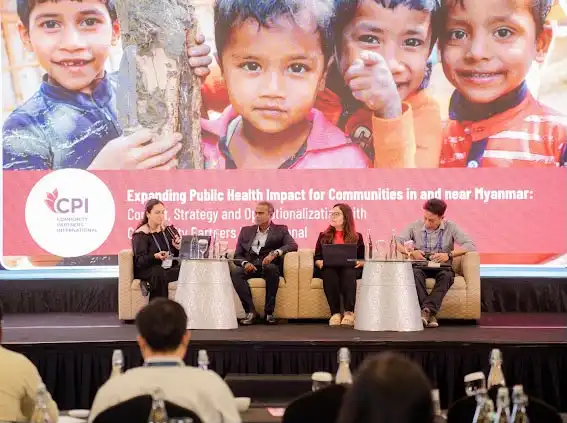
Community-based public health research took center stage at the 12th International Conference on Public Health (ICOPH 2026), held from 5–7 August 2026 at the Bali Sunset Road Convention Center in Bali, Indonesia, brought together public health professionals, researchers, academics, and development practitioners from across the world to exchange knowledge, share research findings, and explore innovative approaches to addressing global health challenges. For Community Partners International (CPI), participation in this international conference provided an important opportunity to bring evidence generated through community-based research in Bangladesh to a broader global audience.
CPI’s engagement in international research platforms reflects its commitment to strengthening evidence-based programming, promoting locally generated knowledge, and contributing to wider public health discussions. Through its research and implementation initiatives, CPI works to address critical health challenges affecting vulnerable and underserved communities, particularly in humanitarian and resource-constrained settings.
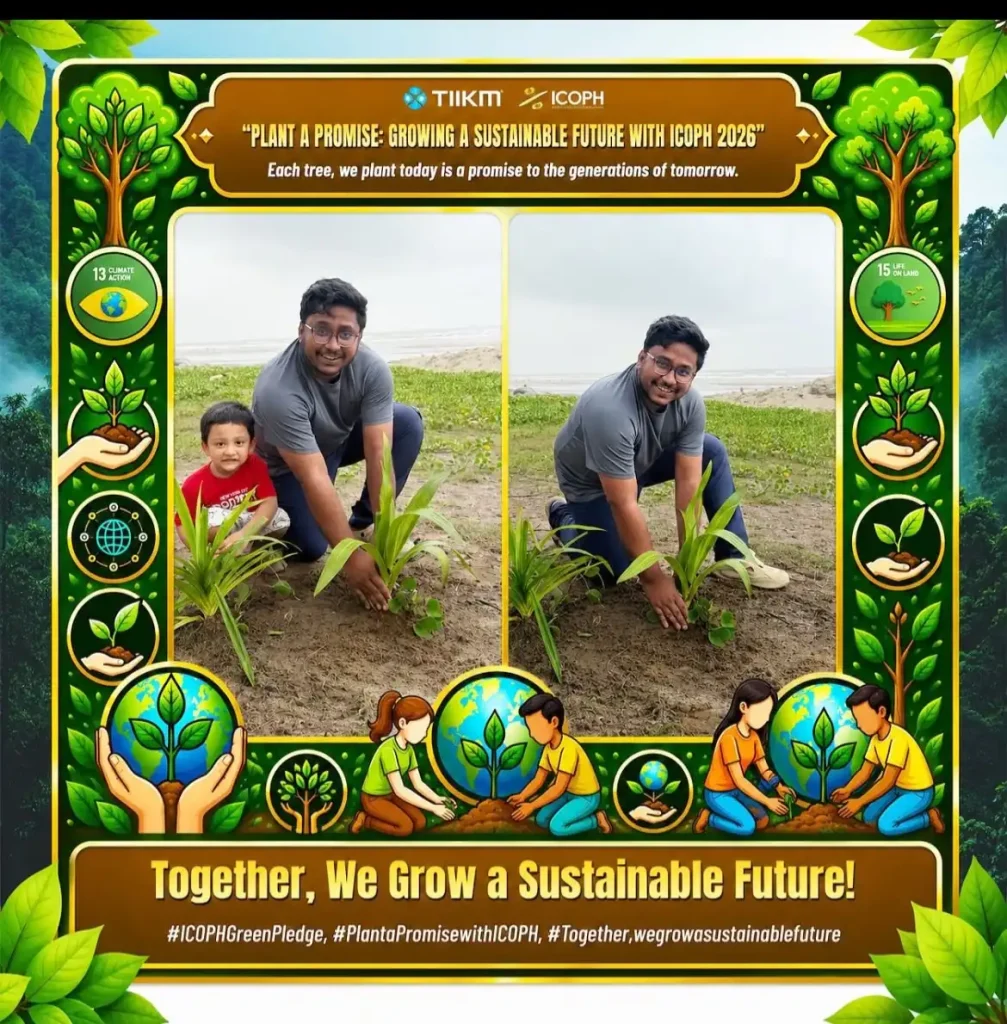
The first research contribution focused on the role of Community Health Workers (CHWs) as system connectors in strengthening access to healthcare and improving linkages between communities and formal health systems. The research highlighted how CHWs can play a transformative role beyond delivering basic health information and services. By building relationships with communities, facilitating referrals, supporting continuity of care, and connecting individuals with healthcare facilities,
The second research presentation, titled “Countering Early Marriage & Fertility: A Focus on Bangladesh’s Rohingya Camps,” explored critical issues surrounding early marriage and fertility among Rohingya communities. Early marriage and early childbearing remain significant public health and social development concerns, particularly in displacement settings where social, cultural, economic, and structural factors influence the lives and choices of adolescents and young people. Bringing this research to an international platform created an opportunity to highlight the experiences of Rohingya communities and contribute to broader discussions on adolescent health, reproductive health, gender, and humanitarian public health interventions.
Presenting these research contributions at an international conference offered valuable opportunities to engage with researchers and public health professionals from diverse geographical and institutional backgrounds. The discussions provided new perspectives on how community-based health interventions and context-specific research can inform programme development, policy considerations, and future research priorities.
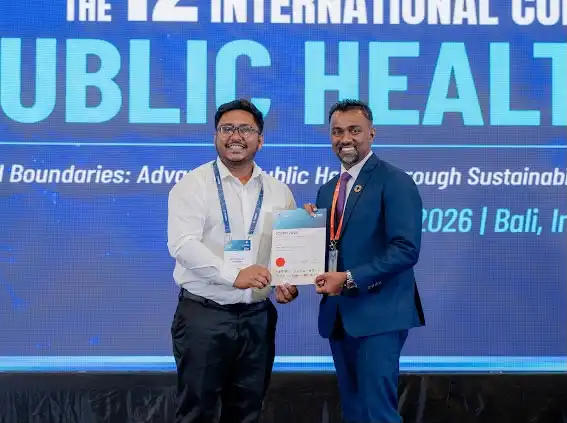
One of the most memorable moments of ICOPH 2026 was receiving the Best Impact Award, recognising the social media impact and engagement generated by my research contribution. This recognition highlighted the importance of taking research beyond academic presentations and publications and making research findings accessible to wider audiences. It was particularly encouraging to see how digital platforms and social media can help amplify public health research, increase visibility around critical issues, and encourage broader engagement with evidence generated from humanitarian settings.
For me, the experience went beyond attending an international conference or presenting research findings. It was an opportunity to reflect on the importance of connecting field-level experiences with academic research and global policy discussions. Working in humanitarian and public health settings in Cox’s Bazar has demonstrated that meaningful research should not remain confined to reports and publications; rather, it should contribute to improving programmes, informing decisions, and ultimately making healthcare more accessible and effective for the communities we serve.
CPI’s participation in ICOPH 2026 reflects the value of investing in research, learning, and knowledge dissemination. Moving forward, CPI remains committed to generating context-specific evidence, strengthening partnerships, and translating research insights into meaningful improvements in public health programming. Taking local evidence to the global stage is not simply about sharing research; it is about ensuring that the experiences and voices of underserved communities contribute to a more inclusive, equitable, and effective global health agenda.
By, Tofajjel Hossain, Research Coordinator, Community Partners International (CPI), Bangladesh
Share this post: